
The Timetable That Changed Their Tomorrow
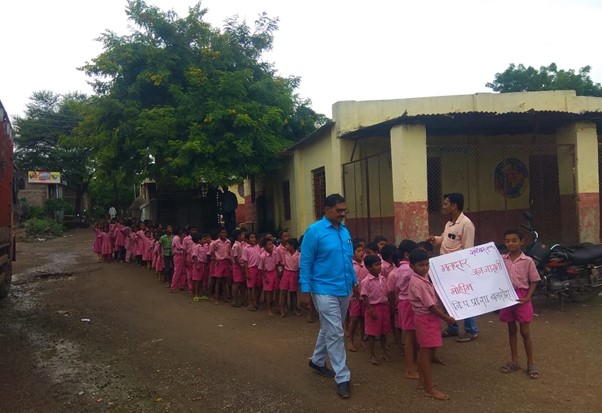
About 50 kilometers from Chhatrapati Sambhajinagar (Aurangabad), in the Kannad block, stands a small ZP school in Banshendra – a place where learning did not begin with books,
but with a question: “Can children learn to value time?”
The school had its challenges. Many children came from families of farmers and daily-wage workers. Mornings were filled with chores, cattle care, and field work, leaving little space for studies. Attendance was irregular, homework was unfinished, and confidence was low.
Then came the turning point.
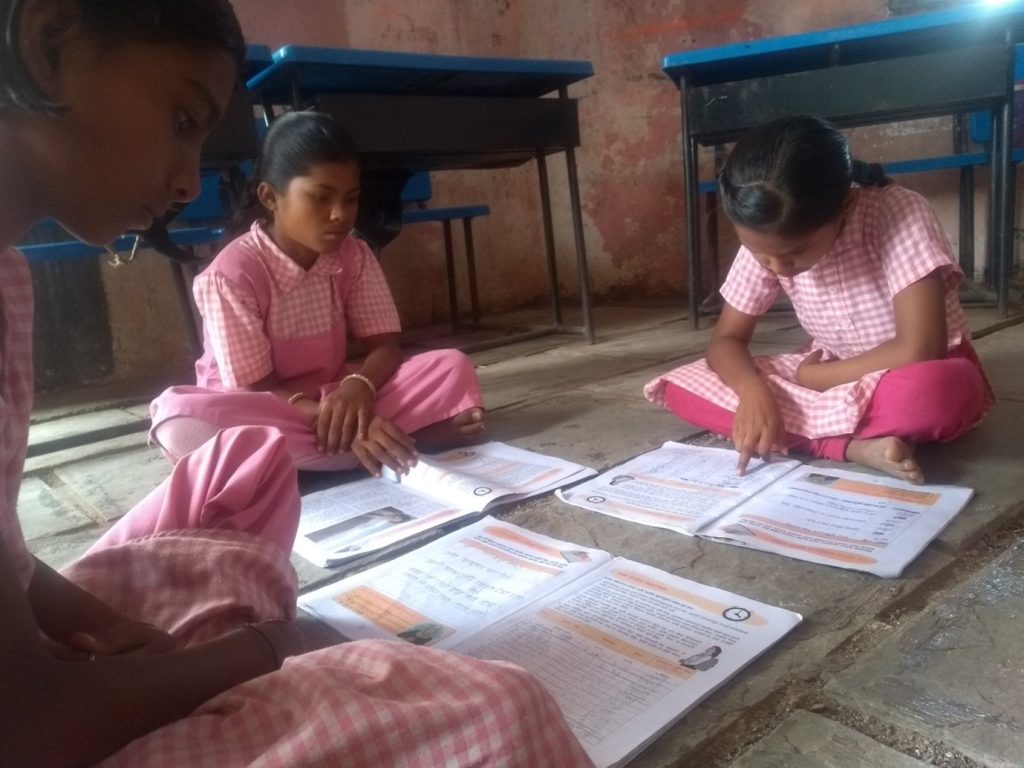
During a Mulyavardhan session (in the previous phase: 2016–20), the teacher conducted a simple activities like ‘Raju’s day’ and ‘My daily timetable’. Children engaged in it enthusiastically and soon began discussing what they would do if they were Raju. Could they plan their day better? Could they make time for study, play, home, and rest?
Something shifted that day. Not in the timetable, but in their minds.
They began making their own schedules, daily and monthly. No one forced them. They were only guided. And when children created their own plans… they began to follow them with pride.
Days passed. Slowly, a quiet transformation spread across the school. Latecomers started reaching early. Homework began coming completed. Classmates started helping each other instead of competing.
The children were not just learning, they were taking charge of their own lives.
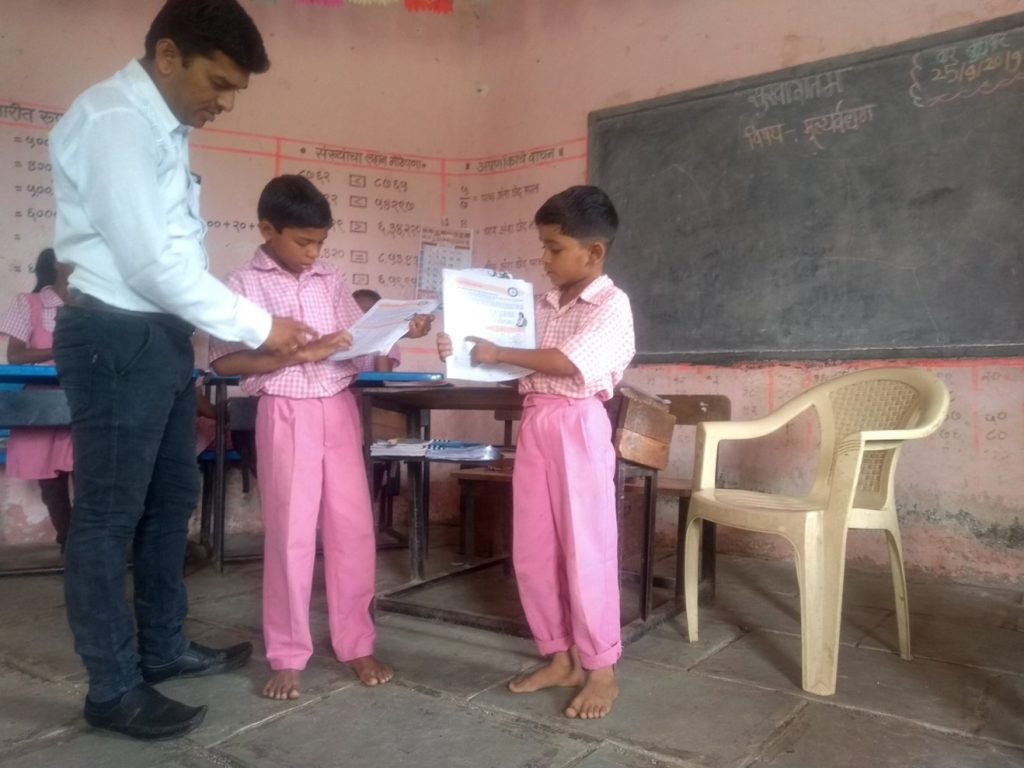
Attendance increased. Dropouts stopped. Families noticed the change too. Some began ensuring that their children followed their plans for studying at home. Others started visiting school more often, just to see this new energy growing in their children.
What began as one teacher’s insight soon became a guiding light for many. Banshendra’s school turned into a model – visited by teachers, from other schools.
From this small village, a powerful message emerged: Values don’t always need big lessons. Sometimes, they begin with how we use time.