Maharashtra’s Leap Towards Value-Based Education:
The Mulyavardhan Revolution
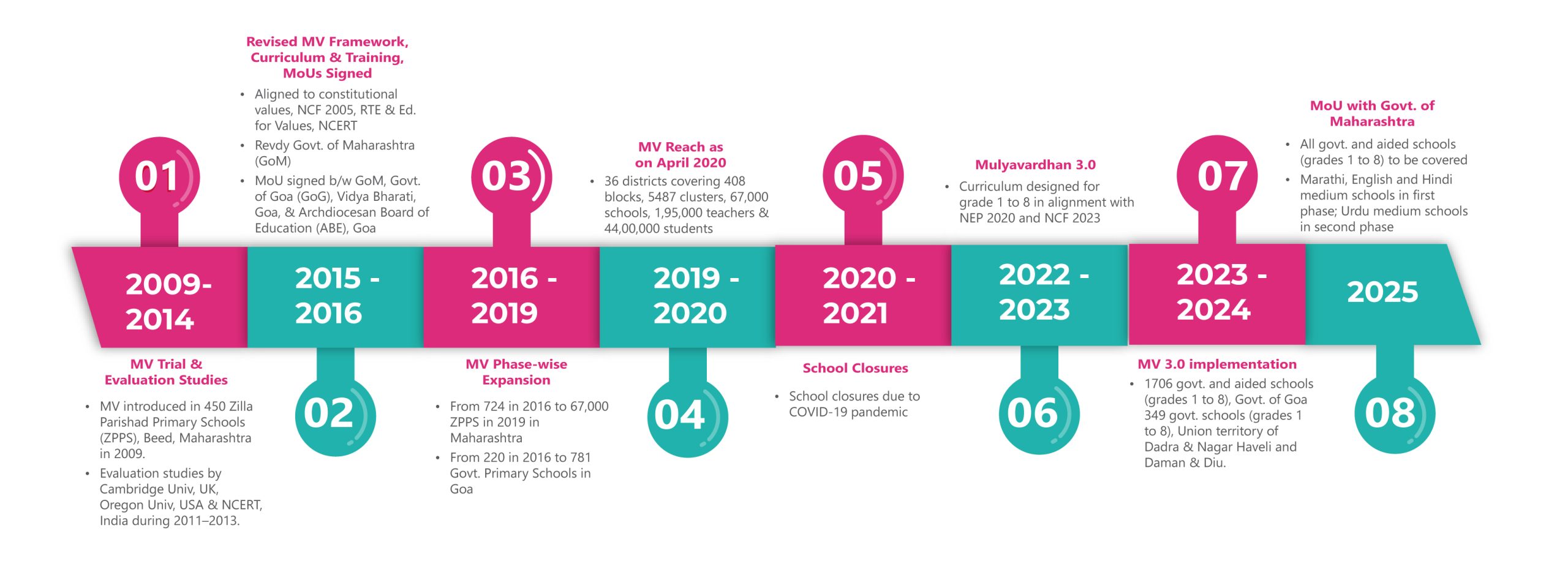
Mulyavardhan evolved through a pilot project implemented directly by the Shantilal Muttha Foundation in two talukas of Beed district in Maharashtra between 2009 and 2015. The initiative was evaluated by national and international experts. Based on the experience and findings from this phase, the programme was reconceptualised and broadened in 2015 by aligning it with national policies and Constitutional values.
What began as a focused effort to nurture value-based citizenship among children went on to evolve into Mulyavardhan 2.0, a government-adopted movement reaching more than 45 lakh children across Maharashtra, Goa, and Gujarat.
With its joyful, child-centric pedagogy and deep integration of constitutional and human values, Mulyavardhan became a leading model of values education embraced by teachers, schools, and communities alike.
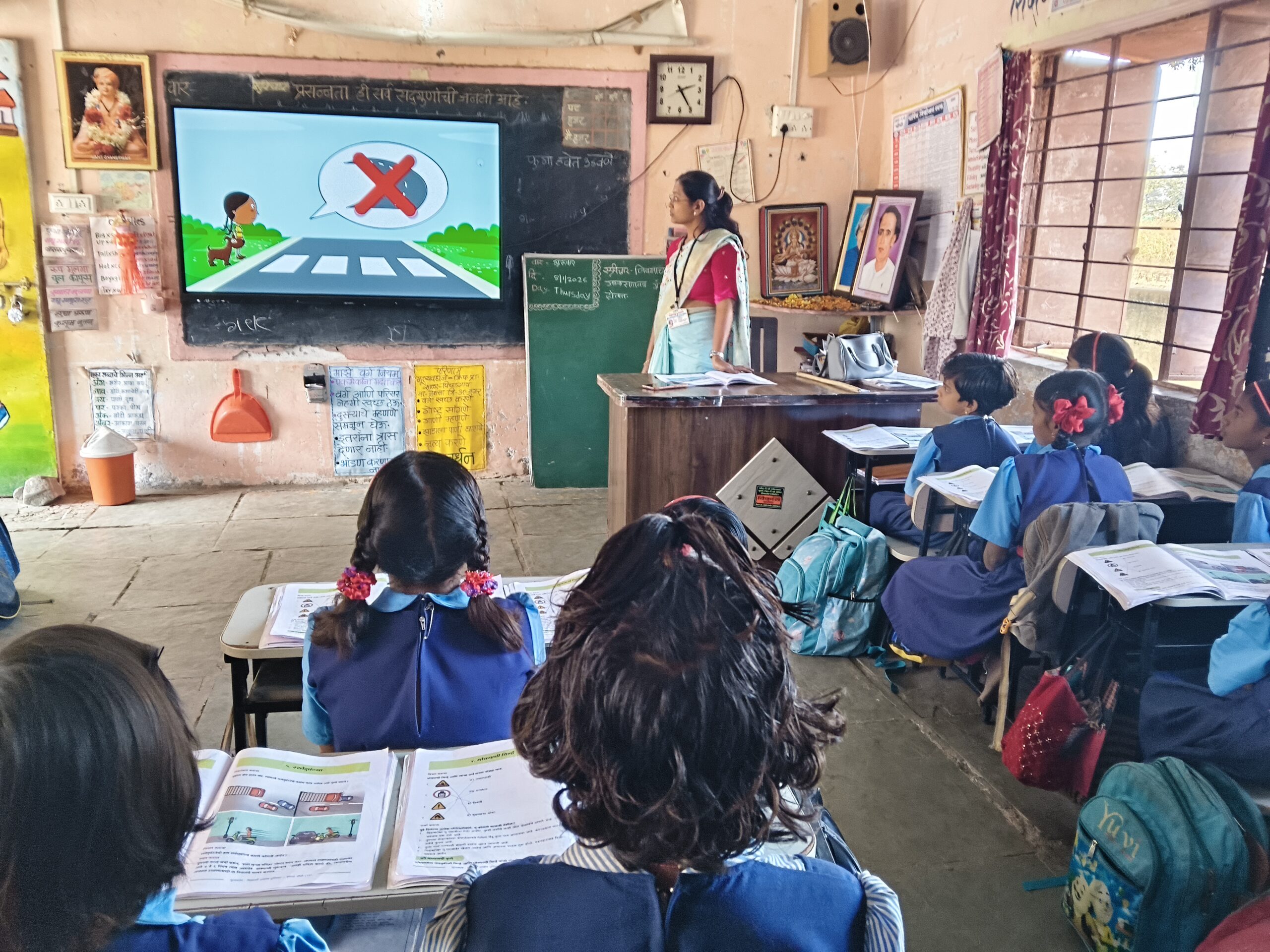
Mulyavardhan 3.0, the current version of the programme, was developed in 2024 in light of the National Education Policy (NEP) 2020 and the National Curriculum Framework (NCF) 2023. While Mulyavardhan’s conceptual framework and pedagogical approach were already closely aligned with these documents, the programme was further refined to align with the competencies, curricular goals, and assessment practices recommended by the NCF.
Designed as a flexible and inclusive platform for today’s dynamic learning environments, Mulyavardhan 3.0 enables schools to offer holistic and engaging learning experiences that promote self-expression, empathy, critical thinking, and responsible citizenship.
Whether in a rural government school or an elite urban classroom, Mulyavardhan continues to champion the development of thoughtful, responsible, and compassionate citizens.
India, a land deeply rooted in culture and values, has witnessed rapid social and economic changes affecting family structures and social norms. Recognising the need for a positive, long-term, and foundational response, Shantilal Muttha Foundation undertook an extensive study of the school education system, including its curriculum and pedagogy. Although values were always present within the curriculum, SMF explored more deeply how they were being taught, experienced, and internalised by children. This period laid the philosophical and theoretical foundation for what later evolved into the Mulyavardhan programme.
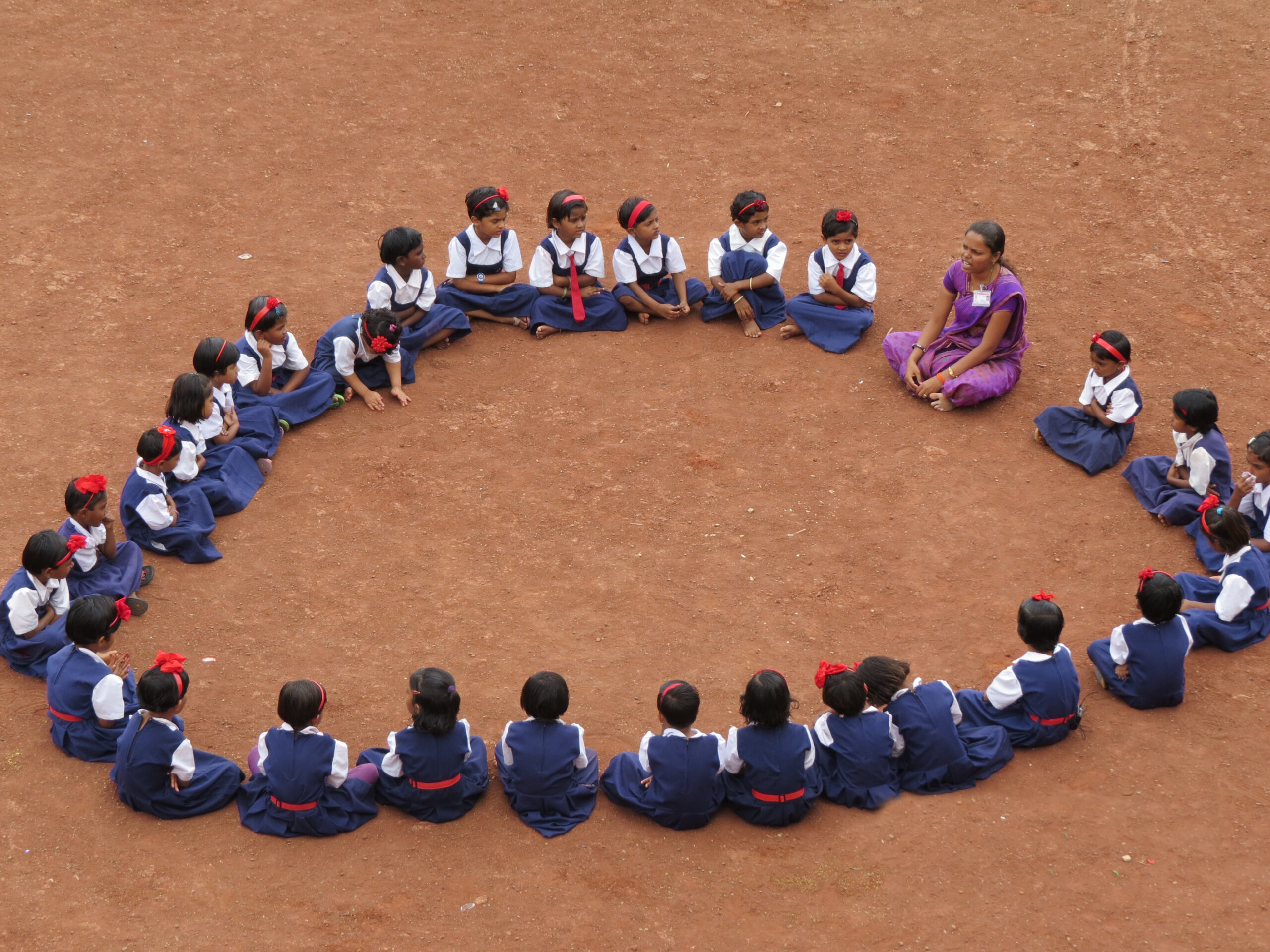
Mulyavardhan 1.0 marked the pilot phase of the programme, implemented directly by Shantilal Muttha Foundation in nearly 450 government primary schools across two tehsils of Beed district in Maharashtra. The programme introduced activities designed around the principles of cooperative learning and child-centred participation. During this phase, the initiative was studied and evaluated by experts from the University of Cambridge and the National Council of Educational Research and Training (NCERT). The experience and findings from this period provided the basis for the programme’s later expansion and refinement.
Based on the learnings from the pilot phase, Mulyavardhan 2.0 was reconceptualised and expanded in alignment with Constitutional values, the National Curriculum Framework (NCF) 2005, and the globally recognised CASEL framework for social and emotional learning. The conceptual framework and educational materials were reviewed and approved by the Maharashtra State Council of Educational Research and Training (SCERT). The programme was subsequently adopted by the Governments of Maharashtra and Goa, as well as by Porbandar district in Gujarat. Offered in six languages — Marathi, Urdu, English, Hindi, Konkani, and Gujarati — the programme scaled to more than 68,000 government primary schools, reaching over 45 lakh students and two lakh teachers. It was also adopted by aided and private school networks.
Mulyavardhan 3.0 represents the current evolution of the programme, developed in alignment with the National Education Policy (NEP) 2020 and the National Curriculum Framework (NCF) 2023. While the programme’s conceptual foundation and pedagogy were already closely aligned with these frameworks, the current version was further refined to align with NCF competencies, curricular goals, and recommended assessment practices, including social, emotional, and ethical development. Designed as a flexible and technology-enabled platform, Mulyavardhan 3.0 can be adapted across diverse school contexts, including government and private schools in both rural and urban settings. A powerful collaboration between the Government of Maharashtra and Shantilal Muttha Foundation is helping reshape the future of education by placing values at the centre of learning. Rooted in constitutional values, Mulyavardhan 3.0 is being embraced across Maharashtra as more than a programme. It is a movement to nurture empathy, integrity, and responsible citizenship among students, transform classroom practices, and catalyse deeper change within the school education ecosystem.
A historic MoU was signed between the Government of Maharashtra and Shantilal Muttha Foundation in the presence of the Hon’ble Chief Minister Shri Devendra Fadnavis.
Mulyavardhan materials were reviewed and approved by expert groups appointed by SCERT, Pune.
Print-ready materials were handed over to SCERT for state-wide distribution.
State Resource Group (SRG) training, jointly organised by SCERT and SMF, commenced for creating a cadre of Mulyavardhan master trainers.
Hon’ble CM invited IIT Mumbai to conduct a third-party longitudinal impact study. 18 July 2025: SRG training successfully concluded.
SRG training successfully concluded.
First District Resource Group (DRG) training commenced, marking statewide rollout.